Women’s voices – Rachel Ginies
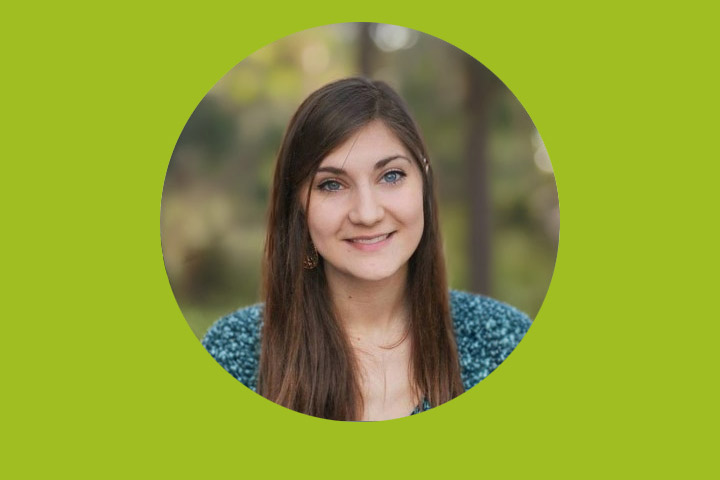
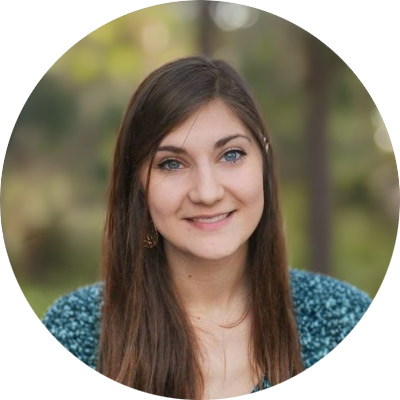 This month in Women’s Voices, Sara Carracedo interviewes Rachel Ginieis, from NutriNeuro. In this interview, she shares her scientific path, the mentorship that shaped her career, and her reflections on women’s place in science today.
Sara Carracedo: Could you please share your academic background with us and current research interests?
Rachel Ginieis: I began my academic journey with two years in a biology preparatory program (classes préparatoires BCPST). Those years taught me, not just biology, but how to learn: how to absorb new skills and knowledge efficiently, a foundation that has shaped my approach to science ever since. I was then admitted to Agrosup Dijon Engineering School for a three-year degree. During this time, I undertook two six-month research internships in laboratories, which deepened my passion for the link between neuroscience and nutrition. More specifically, in 2016, I completed my first internship at the University of Otago (New Zealand), under the supervision of Dr. Mei Peng, investigating how dietary sugars impact cognitive performance in humans. Then, in 2017, I pursued my second internship supervised by Dr. Clémentine Bosch-Bouju, at the NutriNeuro lab, where I explored the effects of an omega-3-enriched diet on depressive symptoms in mice.
These first experiences made me want to pursue a career in research with a central focus on the interplay between eating behavior and cognition. Therefore, in 2018, I obtained the University of Otago Doctoral Bursary to support my research, and started a PhD under the supervision of Dr. Mei Peng, Professor Elizabeth Franz, and Professor Indrawati Oey. My doctoral work investigated the interplay between multisensory perception and hedonic eating behavior in humans. In 2022, I started a translational project as a postdoctoral fellow at NutriNeuro, within the research group led by Dr. Marie-Pierre Moisan (NutriPsy team). My current work combines preclinical and clinical approaches, investigating the impact of chrononutrition on memory-related cognitive functions, with relevance to adolescent obesity.
What motivated you to join the NutriNeuro lab (Nutripsy team), and how has the environment supported your growth?
After earning my PhD, I chose to apply for a postdoctoral position at the NutriNeuro lab, where I had previously completed one of my internships. My time there was incredibly rewarding, I not only acquired a wealth of new skills but also thrived in the lab’s social environment. This internship marked my first exposure to preclinical research, sparking my fascination with the fundamental biology underlying processes and mechanisms involved in specific pathologies. Having focused on a clinical project during my PhD, I was eager to bridge the gap between preclinical and clinical research. I firmly believe that integrating these two perspectives is essential for driving scientific progress more effectively and I’m excited to contribute to that mission.
The NutriNeuro lab and the mentorship of Dr. Marie-Pierre Moisan have provided a nurturing environment for my scientific and professional development. In this supportive setting, I have been able to pursue my research interests while gaining experience in presenting at international conferences, managing collaborative projects, and mentoring junior students.
This period also marked a significant personal milestone: the arrival of my first child. Thanks to the flexibility and encouragement of my mentor and colleagues, I successfully balanced motherhood with my research career. This experience taught me invaluable lessons in time management, prioritization, and resilience, skills that have only strengthened my desire to contribute meaningfully to science. It also reinforced my commitment to advocating for inclusive work environments where researchers, regardless of their personal circumstances, can thrive both professionally and personally.
What kind of mentorship or support systems have helped you persist in science?
Since I began my journey in research, I have been fortunate to work alongside inspiring women who have played a key role in my development.
During my internships, Dr. Mei Peng and Dr. Clémentine Bosch-Bouju introduced me to the essentials of scientific methodology, including experimental design, data analysis, and publication processes. Beyond technical skills, they helped me build confidence in my abilities and feel more at ease in the research environment. Their guidance and availability during this early stage were invaluable.
My PhD was another pivotal experience, thanks to the support of three dedicated mentors: Dr. Mei Peng, Professor Elizabeth Franz, and Professor Indrawati Oey. Through their mentorship and the time they invested in me, I was able to deepen my expertise, refine my skills, and strengthen my commitment to research. They showed me what it means to persevere and thrive in this challenging yet rewarding environment.
Currently, as a postdoctoral researcher, Dr. Marie-Pierre Moisan continues to provide exceptional support. She has generously shared her expertise and knowledge, helping me navigate the complexities of research and career development. Under her mentorship, I’ve secured two grants in my own name, become more involved in the scientific community, and most importantly began to carve out my own independent line of research.
How have you observed the evolution of scientific culture (within or outside the Neurocampus) regarding gender equality since you began your career?
Since the beginning of my career, I’ve observed a gradual but meaningful shift in scientific culture towards greater awareness and action on gender equality. For instance, initiatives like Women in Science events and the creation of gender parity committees have become much more common. These platforms not only highlight the contributions of women researchers but also create spaces for sharing experiences and strategies to overcome gender-specific challenges. A greater emphasis has also emerged on engaging with high school students, particularly young women, to encourage their interest in scientific fields. I was invited to one of these programs where researchers visit schools which have generally become more structured and frequent. These efforts are critical for breaking down stereotypes early and showing young women that a career in science is both accessible and rewarding.
There is also a stronger recognition of the importance of mentorship, with many senior women researchers, including those who have guided me, actively supporting younger colleagues. This mentorship culture is vital for retaining women in science and helping them advance in their careers. Overall, the emergence of these initiatives and the increasing visibility of women in science give me confidence that the culture is moving in the right direction. It’s encouraging to see institutions like the Neurocampus taking concrete steps, and I’m hopeful that continued efforts will further advance gender equality in science.
What would be your message to younger female scientists entering the field?
Giving advice on how to navigate the scientific world as a woman is far from straightforward because the challenges are deeply rooted and multifaceted. The scientific community, while making progress, still grapples with systemic barriers, unconscious biases, and unequal opportunities that can make the journey uniquely demanding for women. That said, my own experience has taught me just how crucial it is to surround yourself with supportive and encouraging peers. I was incredibly fortunate to have successful, altruistic women by my side and they played a pivotal role in giving me advice and shaping my career. I’d also strongly recommend seeking out mentors in your field. Don’t hesitate to ask questions, take risks, or step slightly outside your comfort zone. These moments often lead to the most meaningful growth. Finally, I’d say trust yourself, nurture your curiosity, and never dim your light or change who you are to fit someone else’s expectations.
Last update 28/04/26