

Venue : Centre Broca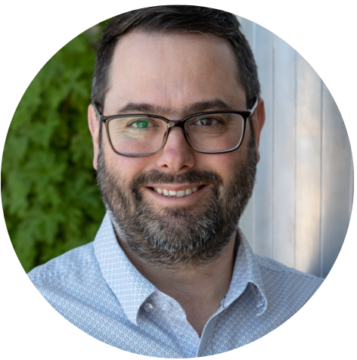
Benoit Gosselin, PhD, ing.
– Centre de recherche CERVO, Université Laval, QC, Canada
– Professeur titulaire, Département de génie électrique et de génie informatique, Université Laval, QC, Canada
– Chaire de recherche du Canada en Microsystèmes Biomédicaux Intelligents
Professeur invité à l’Institut des Maladies Neurodégénératives
Invited by Pascal Fossat (IMN)
Title
Intelligent Wireless Systems for Closed-Loop Electrophysiology and Optogenetics: From Brain Circuits to the Spinal Cord
Abstract
Recent advances in implantable neurotechnologies are enabling a new generation of intelligent systems for real-time, closed-loop neuromodulation in freely behaving animals. A central challenge in this context is to achieve high-fidelity neural interfacing while maintaining low latency, minimal invasiveness, and experimental conditions compatible with natural behavior.
To address these challenges, our group has developed fully wireless, ultra-miniaturized headstages integrating electrophysiological recording, optogenetic stimulation, and on-chip processing with embedded machine learning. These systems rely on custom CMOS system-on-chips capable of action potential detection, sorting, and compression, enabling local decision-making and significantly reducing the need for continuous high-bandwidth data transmission. This architecture supports long-term neural interfacing with sub-millisecond latency (≤0.6 ms) in unrestrained animals.
To further enable continuous and autonomous experimentation, we have engineered an inductive charging home-cage platform that allows uninterrupted operation and data acquisition over multiple days without animal handling. This approach enables the study of neural circuits with cellular resolution under naturalistic behavioral conditions, opening new avenues for adaptive and automated neuroscience experiments.
Building on this platform, we are extending closed-loop neuromodulation strategies beyond the brain to the spinal cord. In particular, we are developing a fully optical, 3D-printed spinal interface that combines fluorescence-based neural activity sensing with targeted optogenetic inhibition. By leveraging the same wireless and embedded AI architecture, this system aims to enable selective and artifact-free feedback control of spinal nociceptive circuits for chronic pain research.
Preliminary closed-loop electrophysiological experiments in rodent models validate the feasibility of real-time feedback modulation and inform the ongoing development of the optical spinal implant.
Biosketch
Expertise: wireless microsystems for brain–machine interfaces; analog/mixed-signal and RF integrated circuits for neural engineering; interface circuits for implantable sensors and actuators; and intelligent systems for personalized healthcare.
Benoit Gosselin received his Ph.D. in Electrical Engineering from École Polytechnique de Montréal, Montréal, QC, Canada, in 2009. He was an NSERC postdoctoral fellow at the Georgia Institute of Technology, Atlanta, GA, USA, in 2010. He is currently a Full Professor in the Department of Electrical and Computer Engineering at Université Laval, Québec, QC, Canada, where he holds a Canada Research Chair in Smart Biomedical Microsystems. His research focuses on the development of intelligent healthcare systems and innovative tools for neuroscience.
Professor Gosselin has led major research initiatives aimed at developing cutting-edge technologies to improve therapeutic approaches for neurodegenerative diseases, notably by enabling detailed observation of brain dynamics in living animal models. His innovations integrate optogenetics, electrophysiology, fiber photometry, and spectroscopy into miniaturized instrumentation platforms. Another focus of his work is the development of intelligent controllers for hand prostheses based on high-density electromyography sensing, powered by data-driven artificial intelligence.
Professor Gosselin is a Fellow of the Canadian Academy of Engineering and has received several major distinctions, including the NSERC Brockhouse Canada Prize, the OIQ Génie Innovation Award, and the First Prize Best Paper Award (2022) from the IEEE Engineering in Medicine and Biology Society. He is the founder and chair of the IEEE CAS/EMB Quebec joint chapter and has served on the organizing committees of numerous IEEE international conferences, including NEWCAS (General Chair, 2022; Technical Program Chair, 2019, 2021), EMBC (Program Chair, 2020), BioCAS, and ISCAS. He also serves as an Associate Editor for IEEE Transactions on Biomedical Engineering (2025–present) and IEEE Sensors Journal (2022–present), and previously for IEEE Transactions on Biomedical Circuits and Systems (2016–2023).